
You might be studying programming, working with online infrastructure, or managing server setups – knowing DevOps helps stand out professionally. From start to finish, it shapes how quickly ideas become real products. Behind every fast update or smooth launch, there’s often a DevOps process at work. Learning these methods opens doors across many areas of tech work.
Think of it like this: DevOps isn’t simply software you install. Instead, it brings together habits, shared mindsets, because they shape how builders and maintainers join forces. Efficiency grows when these groups connect better.
Table of Contents
What is DevOps?
Working together on software and systems tasks helps teams move faster. Developers once focused only on coding while others managed servers separately. Because of this split, problems popped up more often. Misunderstandings happened regularly when groups didn’t align closely.
Together, teams shape every stage of software creation through shared effort. Faster results come when quality gains focus and mistakes drop off. This way blends tasks once kept apart into one smooth path.
DevOps matters because teams work faster together
Most people now want their apps fresh, changed often. When changes come slowly, frustration builds fast. Updates roll out quicker because of automated systems behind the scenes. Manual work fades when tools handle tasks step by step. Speed grows where repetition once slowed things down.
Faster fixes come when machines handle repetitive tasks during software updates. Code checks happen automatically before pieces fit together into one working system.
Faster updates roll out when teams move swiftly, correct glitches without delay, while steadily refining how users interact with products.
DevOps In Practice
Picture a group crafting a website, just trying to get things working. Code gets written by builders, then dropped into one common spot. From there, checks and launches happen through smart scripts, not hands. The whole flow moves without someone clicking every step.
After being written, the code enters a flow that runs checks each time changes happen. When tests pass without issues, it progresses toward live systems. Reaching servers only happens once all steps confirm stability.
Once live, the system gets watched by tracking software to catch hiccups early. Trouble shows up? Notifications go out – team jumps in before small glitches grow.
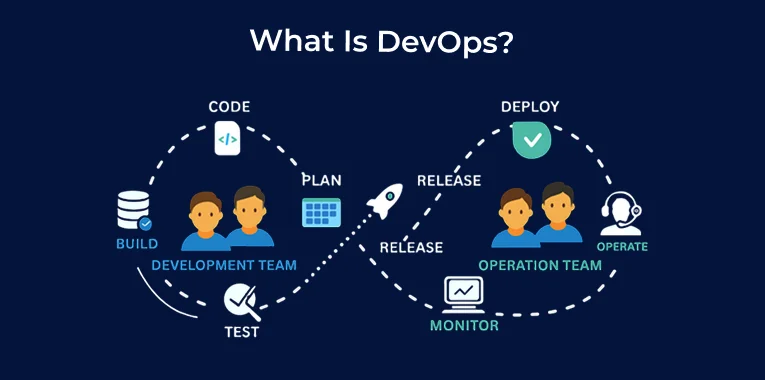
Start to finish, that’s what people call the DevOps cycle.
Core Ideas Behind DevOps
Teamwork shapes the core of DevOps, stitching roles once kept apart into one flow. Close coordination between builders and maintainers replaces old habits of isolation. Working side by side becomes normal rather than rare. Shared goals matter more than separate tasks. This shift grows naturally from daily contact, not forced rules.
One key idea centers on making things run by themselves. Tasks that repeat – like checking code, combining pieces, or sending updates – happen without hands-on control, cutting mistakes while speeding up work.
Improvement never stops – that’s part of how DevOps works. Watching apps closely happens all the time, while teams collect responses from users to guide changes. Better stability and speed come through small updates shaped by real experience.
DevOps Lifecycle Made Clear
Starting off, the DevOps cycle covers every step needed to create and release software. Right after that comes planning – this is when team members figure out which features they’ll build.
Next up, coding begins – developers craft the real app piece by piece. Following this step, automated systems assemble the code while running checks to catch flaws early.
Only when tests pass does the app move into production, opening access to real users. From that point on, performance gets watched by automated systems spotting problems as they happen.
Over time, fresh changes roll in, sparking another round. Each addition kicks off the process once more. With every tweak, the loop finds its rhythm again.
Benefits of DevOps
Software moves out the door at a quicker pace thanks to DevOps. Teams skip slow handoffs because machines handle repetitive steps. Firms and coders alike gain ground when builds flow steadily. Speed piles up where scripts replace checklists.
Early bug detection happens when tests run often during building. Because of this, fewer mistakes survive into live environments.
Working closer brings teams into sync. Because developers team up with operations, talks flow easier plus tasks move faster.
Faults get caught fast when teams watch systems closely, so things stay stable. Quick fixes happen before small hiccups grow, thanks to constant oversight. Alerts pop up the moment something shifts, allowing instant response. Stability improves not by accident but through steady attention. Problems rarely linger since detection moves at speed. Systems run smoother when glitches are nipped early. Oversight keeps everything ticking without surprise breakdowns.
DevOps in Practice
When it comes to updating apps, Netflix doesn’t wait around – changes go live fast, quietly slipping into place while viewers keep watching. Big names such as Amazon handle their systems much the same way, guided by methods that blend development with steady operations. Behind Google’s smooth rollouts lies a similar rhythm, where fixes and features appear without pause or notice.
Every change gets checked by silent systems that push updates while watching how things run. Because of this flow, countless people keep watching shows nonstop.
Smooth operation at scale? That’s what happens when DevOps gets put into practice.
Final Thoughts
Software work looks different now because of DevOps. Teams build and ship code faster when coding and IT support join forces. Working together, machines handle repetitive tasks so people can focus on fixing bigger issues.
Starting out? Get why DevOps matters – it pulls together coding, managing systems, while tying in cloud work too. Not separate worlds but parts that fit.
When businesses keep moving toward quicker, smoother ways of working, DevOps sticks around at the heart of software creation. Picking it up now might lead to solid job paths later, while also showing how current apps truly function behind the scenes.
Also Check Make Database Queries Faster With These Methods – 2026