
Most folks now live much of their lives through screens and connections. Because internet use keeps growing – emails, money tasks, buying things, job duties – the safety of personal details matters deeply. Protection happens when tech setups, gadgets, links between computers, plus files stay locked away from break-ins or harm.
Put plainly, keeping your online world safe involves blocking intruders aiming to grab or abuse your data. Hackers lurk where you click, yet defense starts with awareness. Digital protection isn’t magic – it’s daily choices adding up. Every login, every download holds risk unless handled carefully. Safety grows when habits shift toward caution. What seems harmless – like a strange link – might hide harm. Staying alert beats regret later. Shields go up through updates, strong passwords, second thoughts.
Table of Contents
Cyber Security Importance Now
Out here where everyone stays linked, life runs mostly through web connections. Social profiles sit alongside bank logins – both live in digital spaces. When safeguards slip, hackers notice fast. Weak protection opens doors they walk right through.
Staying safe online matters more than many realize. When digital defenses hold strong, private details stay out of reach. Money stays protected not just by banks, but through smart safeguards too. Hidden data avoids exposure when proper shields are in place. Big organizations aren’t the only ones at risk. Regular people clicking around the web face threats daily.
Common Cyber Threats You Should Know
Out there, digital dangers show up in different ways. Spotting how they work helps keep things secure. Fake messages pretending to be real – that’s phishing – snag logins by fooling people. These tricks arrive in email form or on copied web pages. Hidden programs that cause harm? That’s malware. It sneaks onto gadgets to break stuff or grab private info.
Files get locked up tight by crooks who then ask for cash to release them – that’s ransomware, a nasty hit. Sometimes break-ins happen because passwords are too simple or holes in protection go unnoticed.
Surprisingly few of these breaches rely on complex tech – most happen when people ignore basic safety steps. Online habits often open doors, even without hackers using fancy tools.
How Cyber Attacks Typically Occur
Errors by users open the door for digital threats. A single misstep – like tapping a shady link – can invite trouble inside. Weak passcodes play a part too, just like risky downloads do. Outdated programs give hackers an edge, especially if networks lack protection. Connections without safeguards? They’re like unlocked doors at night.
What we see here is how online safety goes beyond tools – it leans heavily on knowing what to watch for, along with careful actions while browsing. Awareness shapes choices, while habits shape outcomes.
Staying Safe Online
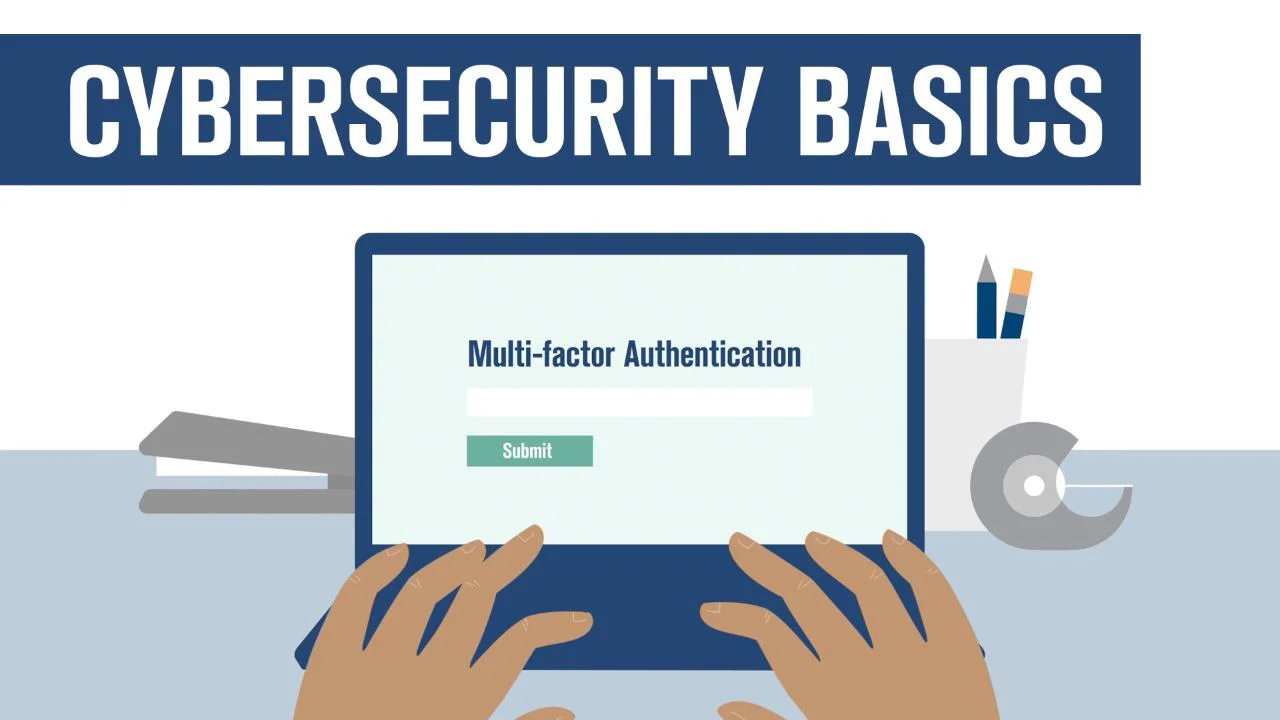
Most people think online safety needs tech skills – truth is, it does not. Tiny changes in daily routine often protect information better than complex tools. One solid move? Pick tough passwords – and never repeat them across sites. Another smart choice: turn on second-step logins; this simple switch blocks many break-in attempts before they start.
Clicking strange links might cause trouble, so stay clear of them. Updates keep gadgets safe, meaning outdated tech opens doors for risks. Public hotspots? They tend to lack strong shields against intrusions.
Cyber Security in Daily Living
You’re using cyber security every day, whether you realize it or not. Logging into social media? Protection kicks in before you see a thing. Banking online means hidden layers guard each move you make. Shopping through web stores brings silent shields to your checkout steps.
Out of reach for most intruders, data stays locked by strong coding tricks only machines understand. Guarded gates stand at every entrance, watching who comes near. When something odd shows up, alarms go off without waiting. Safety isn’t guessed here – each step is built into how things move online. People click, type, and share knowing walls are already in place.
Career Opportunities in Cyber Security
Security online grows fast, pulling talent worldwide. When digital threats level up, businesses turn to experts who can guard what matters.
Starting out usually means stepping into jobs such as monitoring threats or protecting networks. From there, paths twist toward breaking systems safely or building tougher defenses. Respect follows those who stick with it. Openings stay steady, careers stretch far.
Final Thoughts
These days, skipping cyber safety isn’t an option – it’s essential just to get by online. If you’re studying, working, or simply browsing now and then, knowing simple protections helps avoid big trouble later.
Most people overlook how small routines shape online protection. Staying alert to frequent dangers makes a real difference over time. Not every safeguard needs expert knowledge – common sense helps too. What feels like tech talk actually belongs in daily routines. Understanding risks matters more than tools used. Simple awareness builds stronger defenses naturally.
Also Check Cloud Computing Roadmap – Comprehensive Guide – 2026